




HISTORY
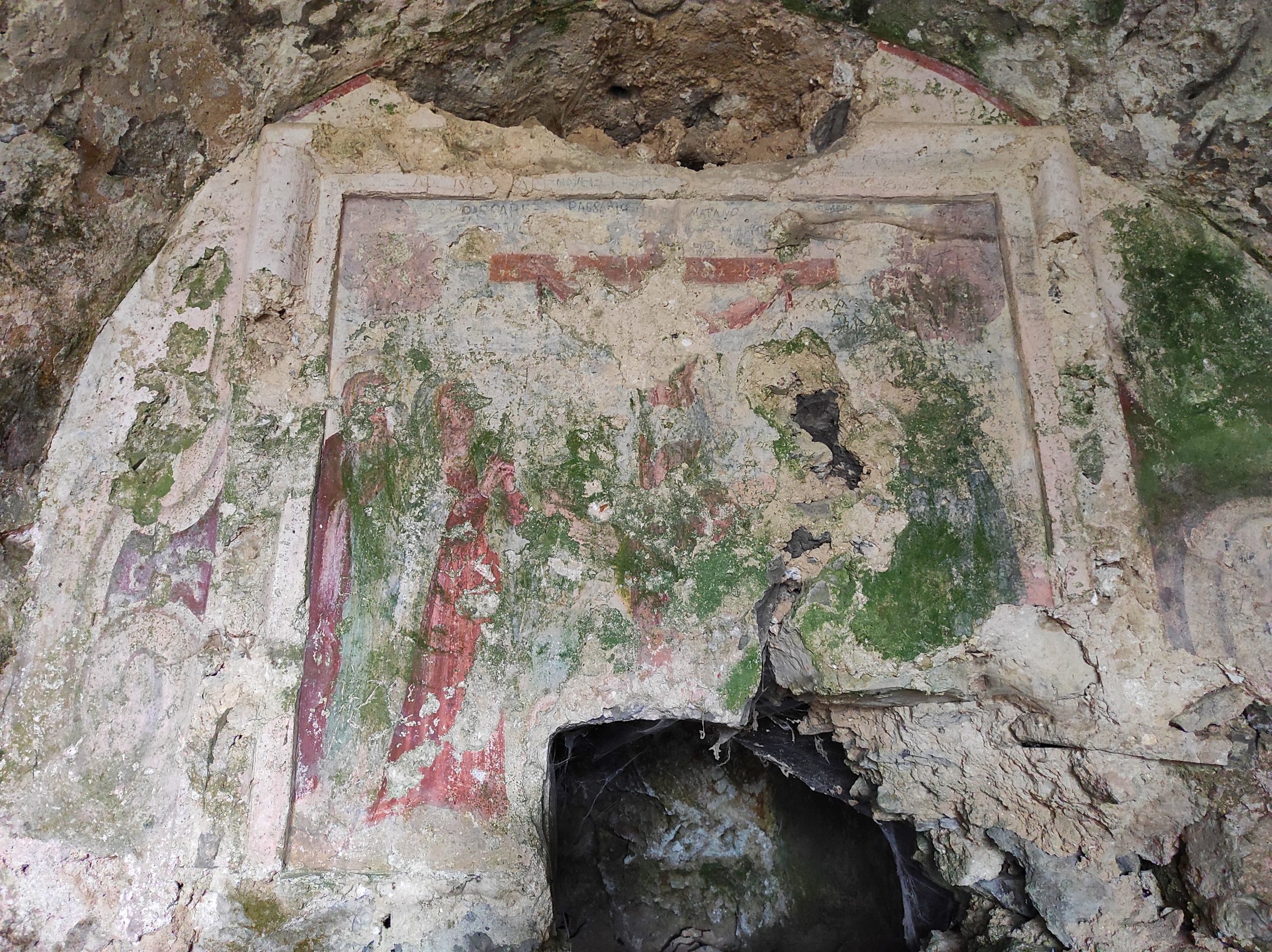
Time travelers, embark on a journey to the Pleistocene era, specifically between 33,000 and 27,000 years ago. If you are passionate about history and enjoy exploring ancient landscapes off the beaten path, don’t miss the opportunity to discover Ager Falernus in Falciano del Massico. This small town, with a population of approximately 3,500 inhabitants, was founded in the 10th century and officially established as a municipality in 1964. Its history stretches back to the Pleistocene, during which it was inhabited by Neanderthals, Pelasgians, Oscans, and Etruscans, eventually becoming part of the Roman Empire. The Romans transformed it into a premier retreat and a significant center for the production of Falernian wine, which was praised by renowned writers such as Horace, Virgil, Catullus, Cicero, and Martial. Allow yourself to be captivated by the past; visiting Falciano del Massico is an exceptional way to experience history.
PREHISTORY
Between 33,000 and 27,000 years ago, the arrival of populations from outside Europe marked the end of Neanderthal presence in this area. Evidence of this transition was discovered in the Grottolella district, where a prehistoric cave once stood. Excavations reveleaded remains of Ursus spelaeus (cave bears) along with valuable stone tools.
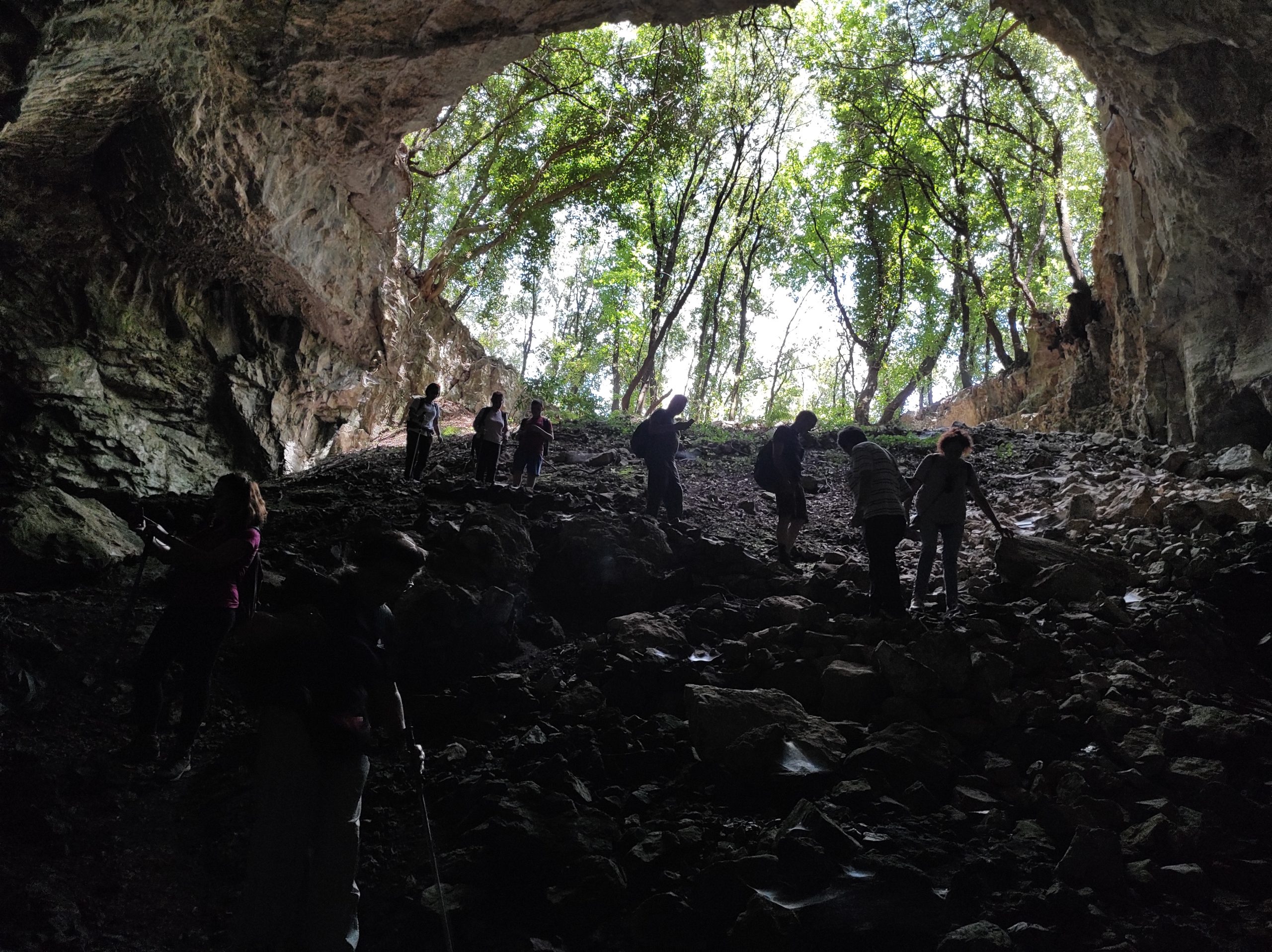
Halfway up the mountainside lies the Grotta dell’Angelo, a mysterious cave already inhabited during the Pleistocene. Its entrance is about one hundred meters wide, and long stalactites hang from the ceiling like the columns of an ancient temple.
ROMAN ERA
Falciano del Massico corresponds to the ancient Ager Falernus, a colony established in 318–317 BC by the Roman consuls Lucius Papirius Crassus and Gaius Manlius.
Originally inhabited by the Ausoni–Aurunci people and conquered by Rome in the 4th century BC. Its significance grew with the expansion of the Appian Way. Capua became a strategic hub for Roman expansion southward, and the road network made the Ager Falernus more accessible, encouraging the construction of numerous Roman villae. Among the most notable summer residences were those linked to prominent figures such as Horace (in Grottolelle and at the Villa of Castelluccio) and Cicero, at Villa Macola.
Although many of these structures collapsed after the earthquake of AD 375 and have not survived, the region remains historically significant. In antiquity, the land was renowned for producing vinum Falernum, one of the most celebrated wines of the Roman world, which was exported throughout the Mediterranean. During the Second Punic War, the fertile Falernian plain was even plundered by Maharbal, Hannibal’s cavalry commander.
The history of the Ager Falernus is thus intertwined with the Appian Way, the grand villae, and vinum Falernum—a wine that played a significant role both in literature (such as Horace, the great Latin poet) and in trade across Italy and the entire Mediterranean.
THE APPIAN AND FAUSTIAN ROADS
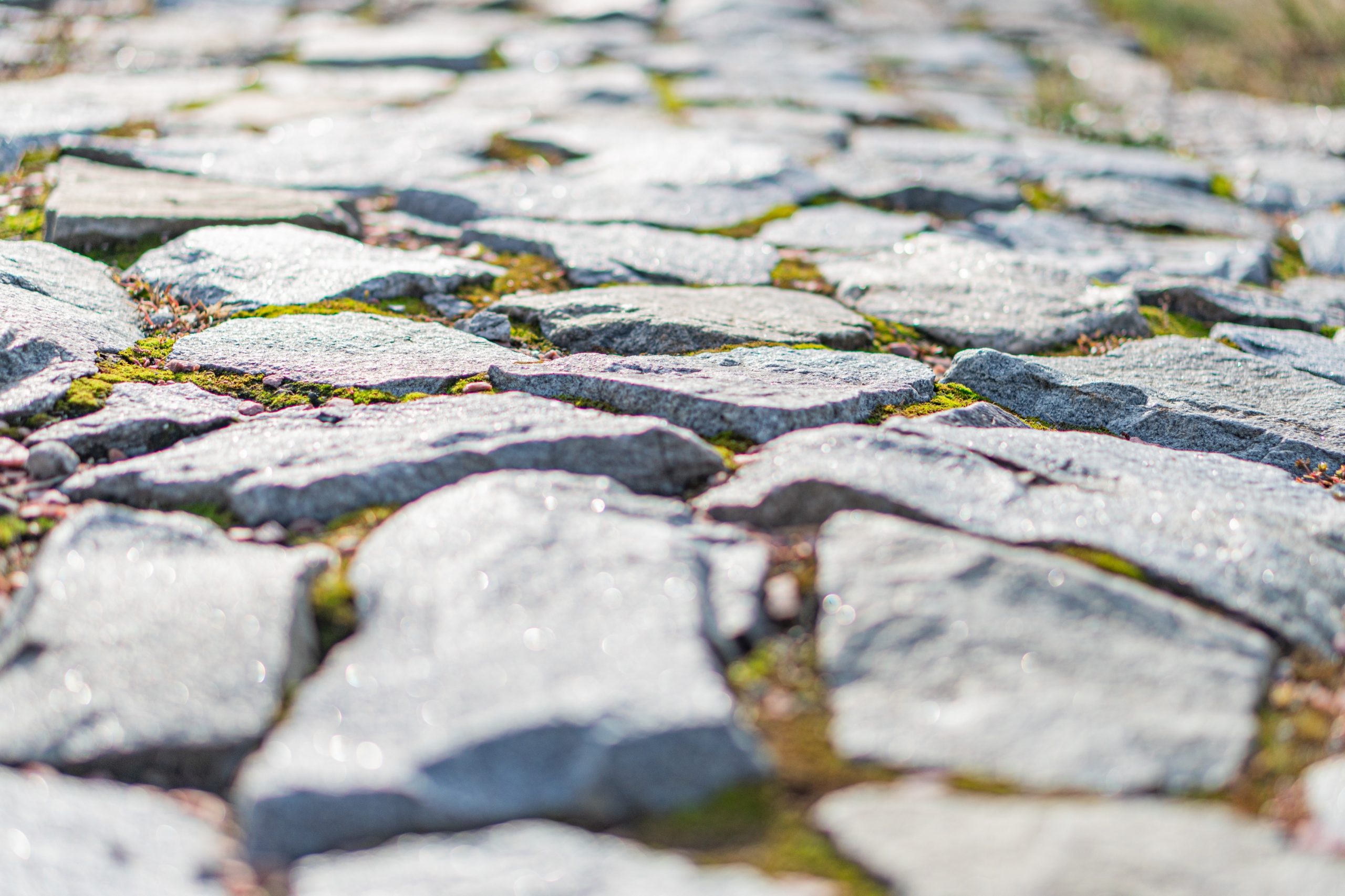
Via Appia, one of the most important Roman roads, crossed the Falernian plain from ancient Sinuessa toward Capua. A secondary branch, known as the Via Faustiana, ran along the slopes of Mount Massico, reaching the so-called “Pietra di Sbirri” in Falciano del Massico. From there, it continued as a paved route known as the “Strada del Re” (King’s Road) toward Foro Popilio.
Via Faustiana connected the fortified villas on the mountainside with the estates located along the eastern side of Mount Massico.
BARBARIAN AND THE MIDDLE AGES
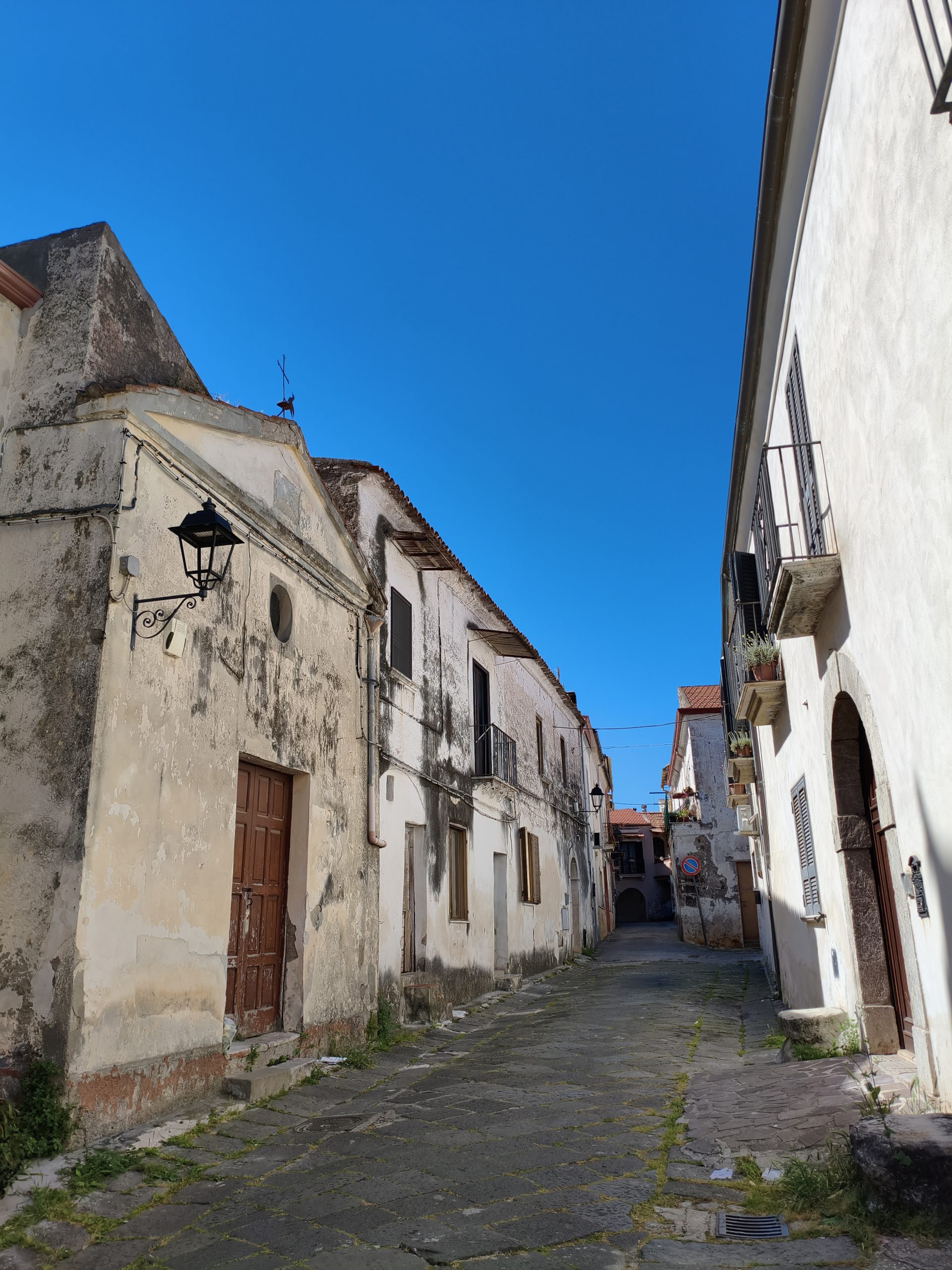
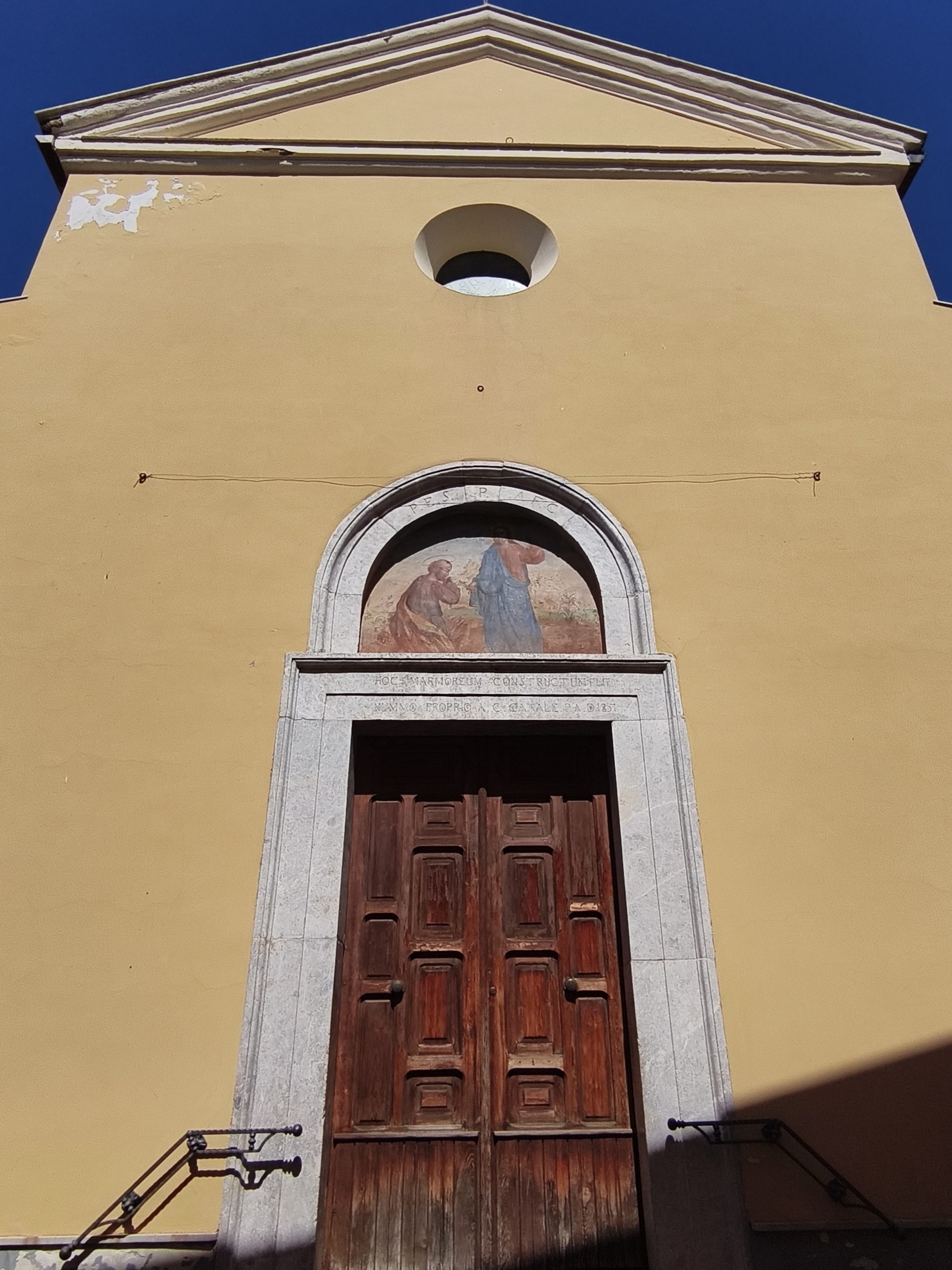
During the barbarian invasions, the population abandoned the area, leaving the fields uncultivated. Subsequently, Saracen raids caused further destruction and hardship. In the Early Middle Ages, communities gradually returned to the slopes of Mount Massico, forming two settlements: Falciano Capo and Falciano Selice. These settlements eventually merged to create the modern town of Falciano del Massico. The village developed around several religious sites, including the Santo Laro monastery, which dates back to 944 AD, and Santa Maria Boccadoro, a church that was later abandoned in 1640. The furnishings from Santa Maria Boccadoro were transferred to the Church.