





Flavours
The products of Ager Falernus are often referred to as the nectar of the gods, green gold, and the delightful scents and fragrances of honey.
As we explore the writings of Virgil, as well as the accounts of Horace and Martial, we uncover that this bountiful land produces treasures with unique sensory qualities.
“
and needed to tame the strong flavour of wine.
“

From Virgil, Georgics: Book II, 140-144; Book IV, 1-2 and 100-103
Join us for a delightful dining experience!
After a bike ride or a hike in the woods, it is time to savor the authentic flavors of Falciano. Every bite perfectly complemented by a glass of fine Falerno wine. We take pride in offering an abundance of exceptional local products. Our fertile land is renowned for producing a legendary wine, as well as honey, olive oil, delicious fruits, buffalo mozzarella, and unique recipes crafted by the skilled women of Falciano del Massico.
Ready to indulge? Here are two authentic recipes that are sure to make your mouth water.

Auciati Authentic Falciano Taralli doc
Ingredients
• 1 kg flour
• •1/2 liter of white wine
• •1/4 liter of Extra Virgin Olive Oil
• 25 g of salt
• A pinch of baking soda
• Pepper
• Pinch of sugar
• Fennel seeds
Instructions
To begin, arrange the flour in a circle and gradually incorporate all the ingredients. Once the mixture forms a smooth dough, divide it into portions and shape each into small ring-shaped pastries. Place the pastries on a baking sheet lined with parchment paper. Bake them in a preheated oven at 240°C for at least 15 minutes (remove from the oven once the Auciati have turned to a lovely golden color).
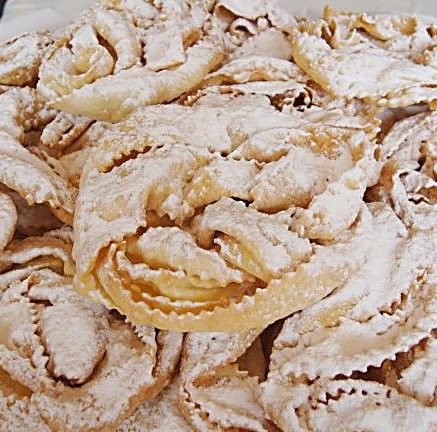
Faucianese Guanti
Ingredients
• 1 kg of flour
• 5 eggs
• 250 g of sugar
• 125 g of butter
• 5 g of ammonia
• 1 glass of Rum
• peels from 2 lemons
• 250 ml of milk
• 1 pinch of salt
• vanilla flavouring
Instructions
Combine all the ingredients with the flour to form a dough ball. Roll it out thinly with a rolling pin, then cut it into long strips using a pastry wheel. Coil the strips into circles. Fry the pastries in plenty of oil, turning them with a small wooden spoon. Once cooked, place them on paper towels and dust them generously with powdered sugar.
THE WINE
The essence of history, the taste of a thousand stories
According to legend, a poor shepherd named Falerno lived on the slopes of Mount Massico. One day, he welcomed a traveler into his home and shared his simple meal. The stranger turned out to be Bacchus, the god of wine. Touched by the shepherd’s generosity, Bacchus transformed the milk he had been offered into wine. When Falerno awoke, he found the hills covered in lush vineyards.
While the myth suggests a divine origin, its name likely derives from the Roman Falerna tribe, which gave rise to the name Ager Falernus in 318 BC.
This area produced a deep, dark red grape and a rich, aromatic red wine known as Falernum —a must in Roman dinners and festivities. Once the most expensive wine in Roman Campania.
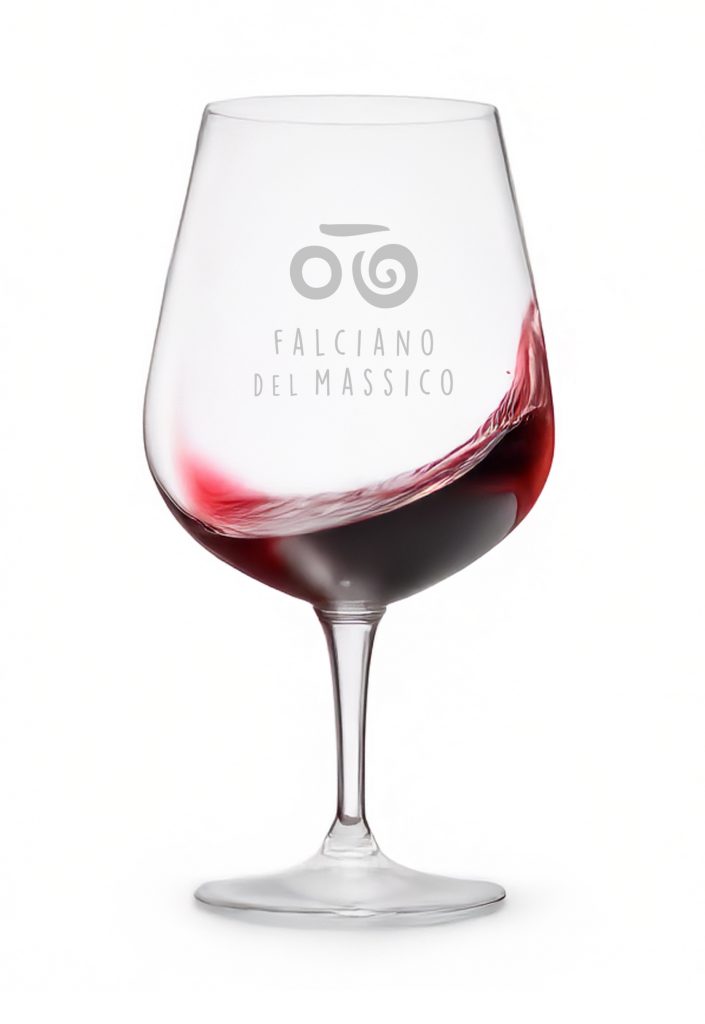
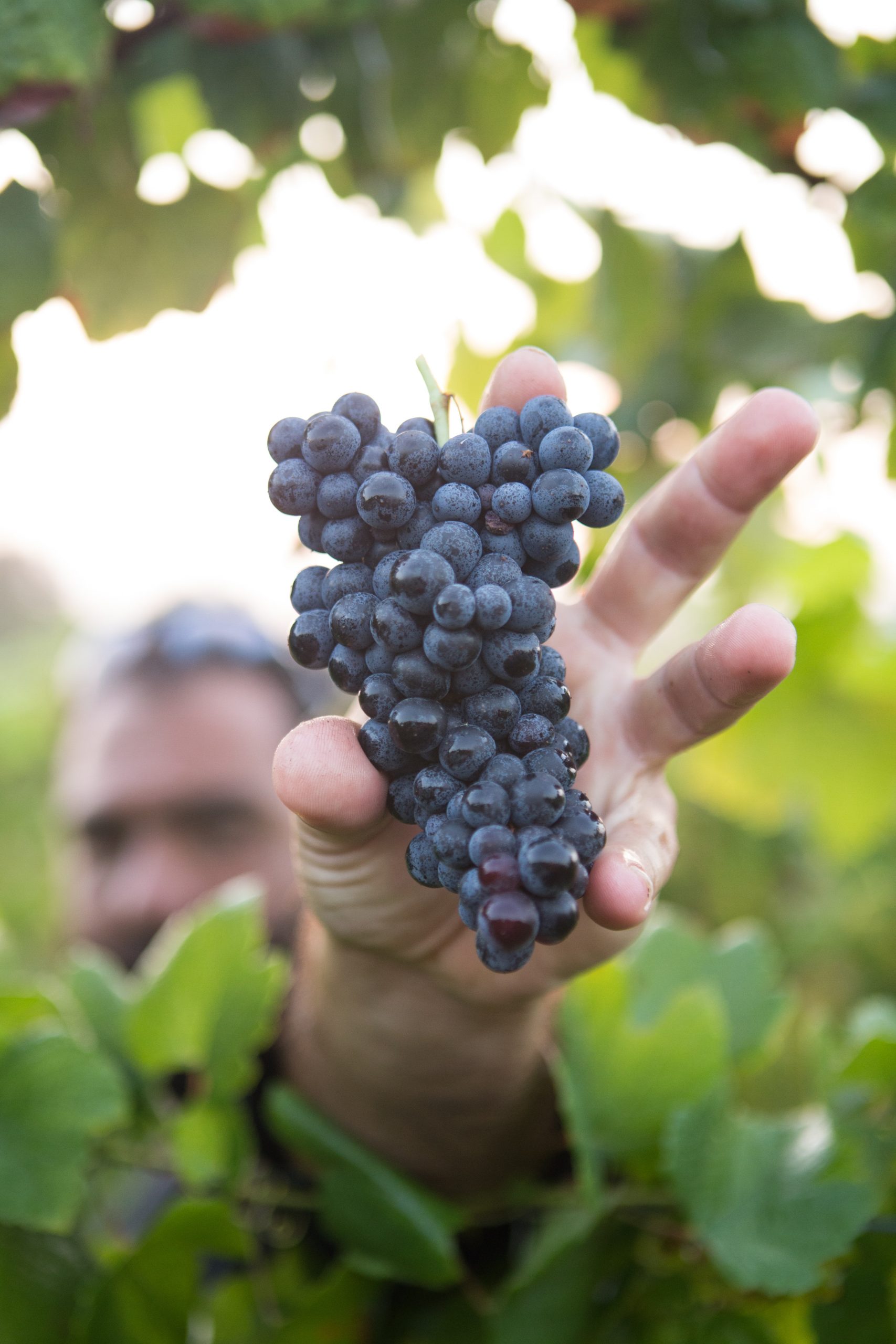
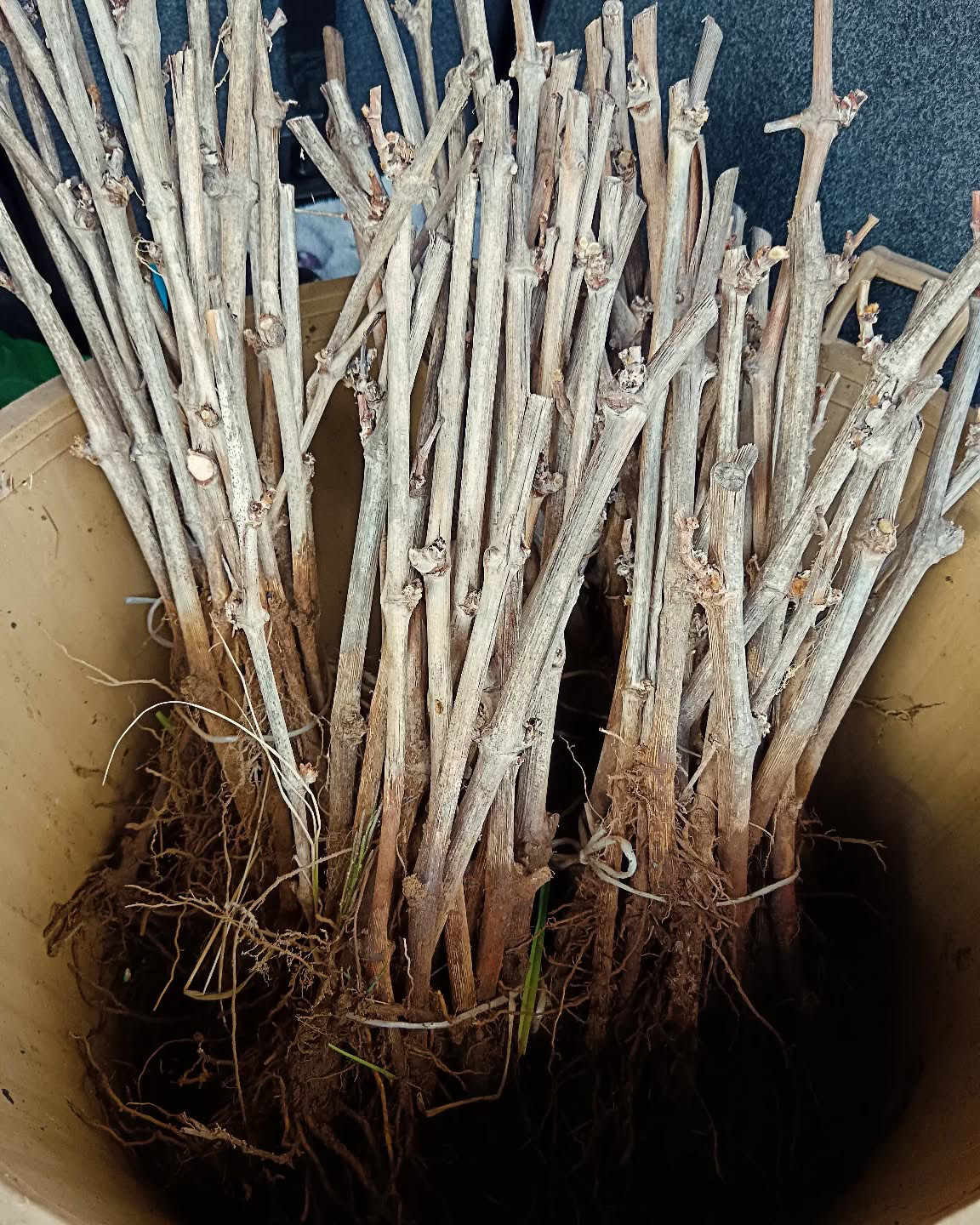
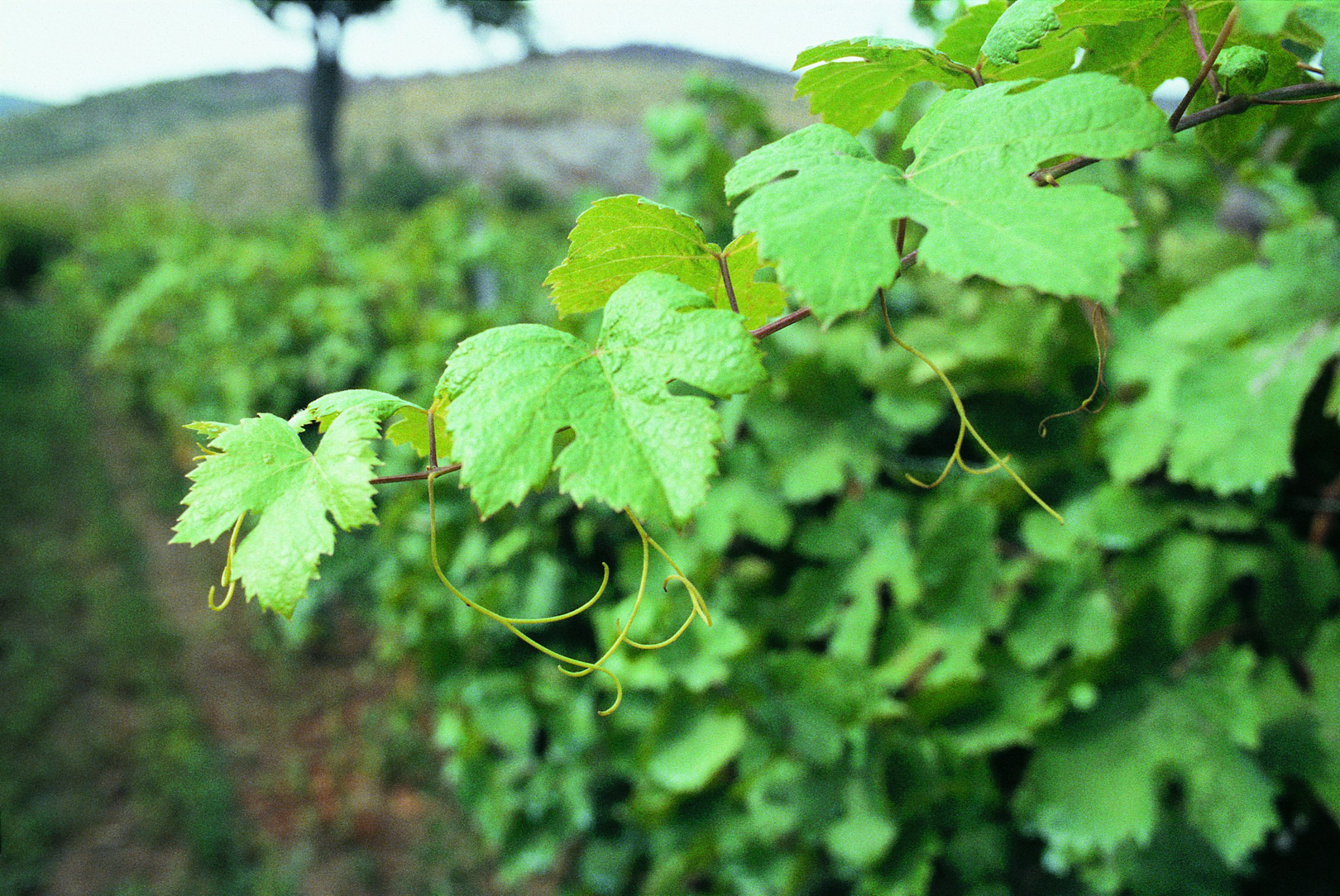
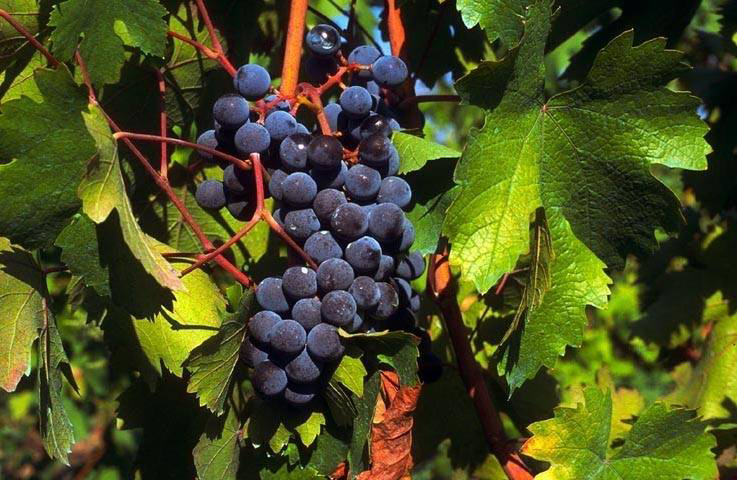
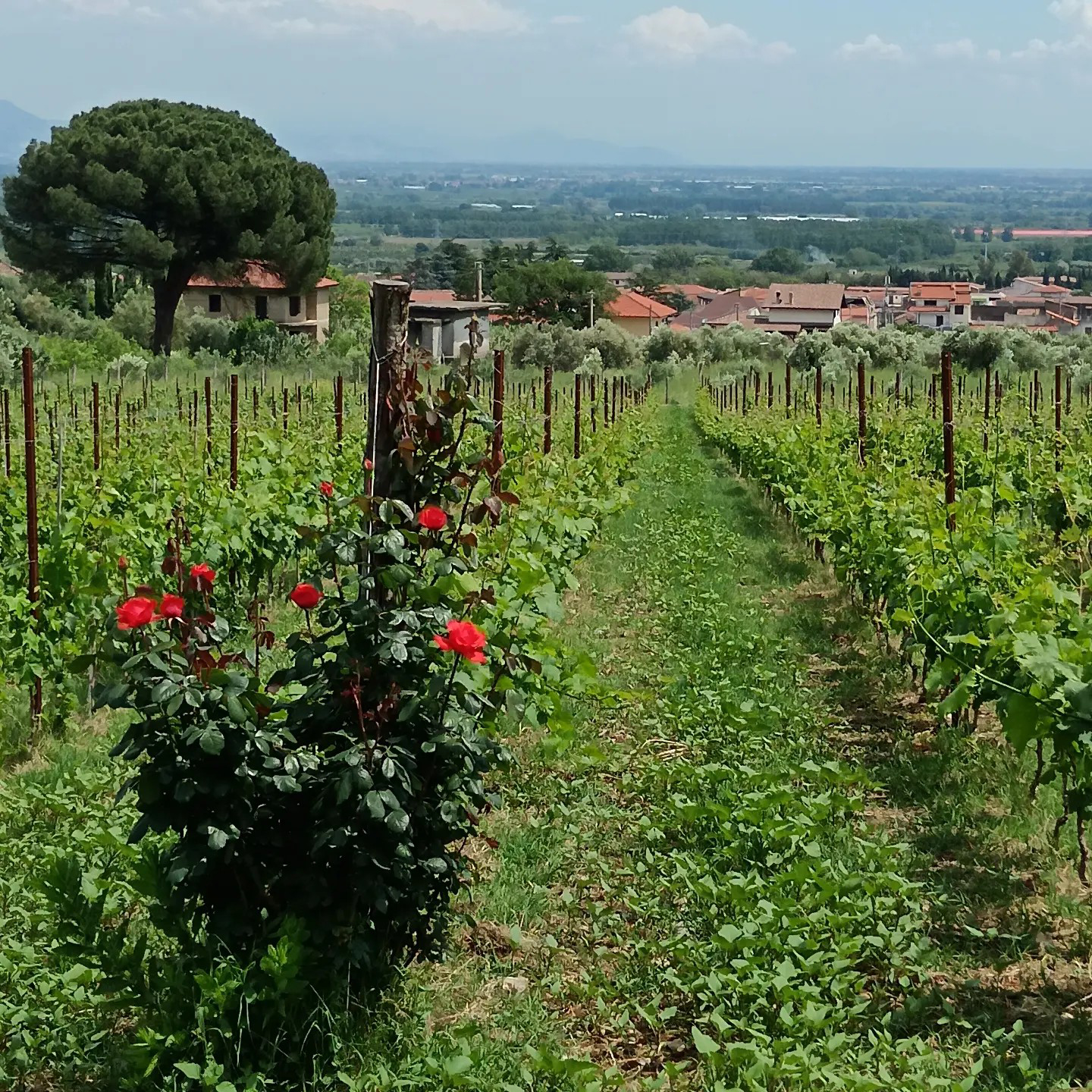
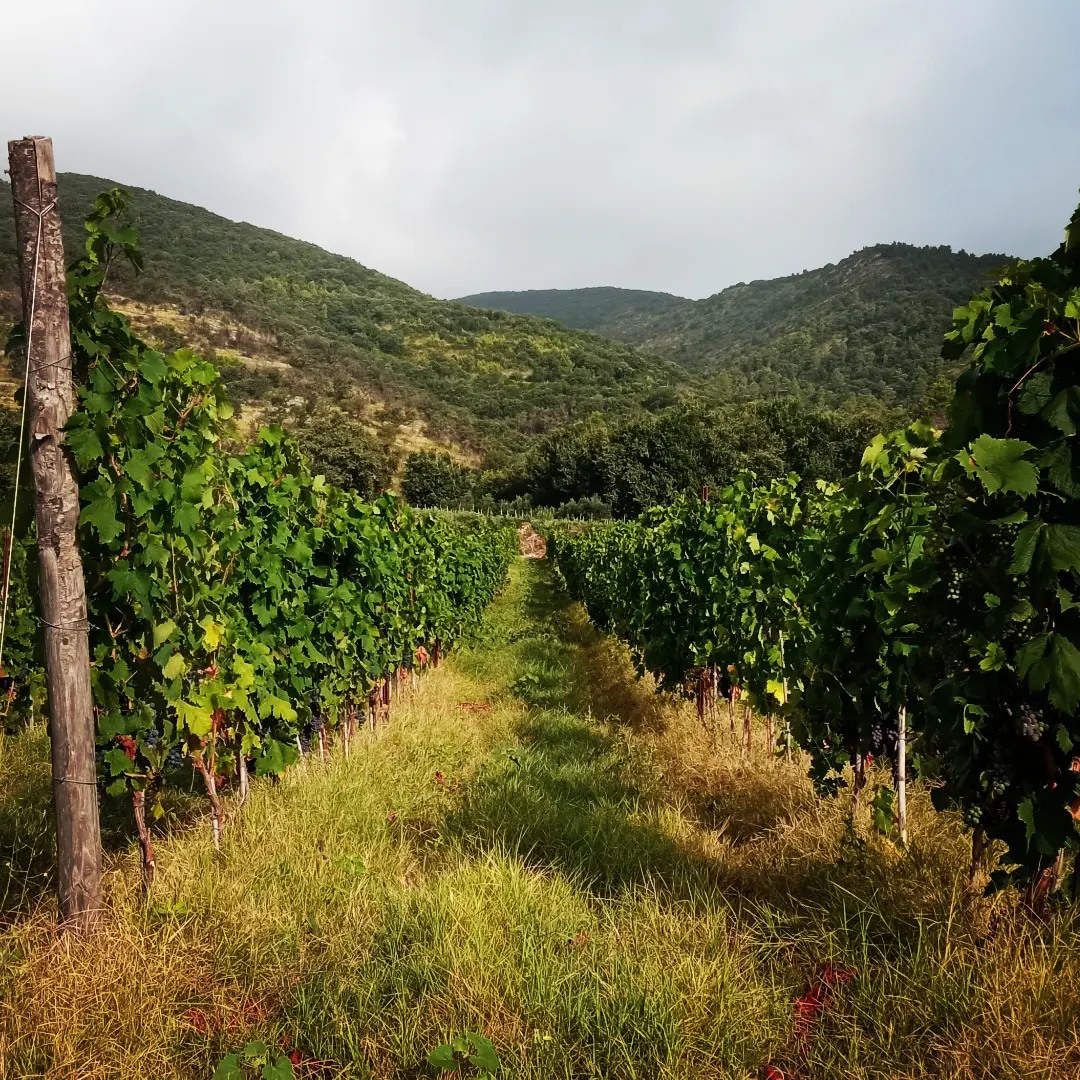
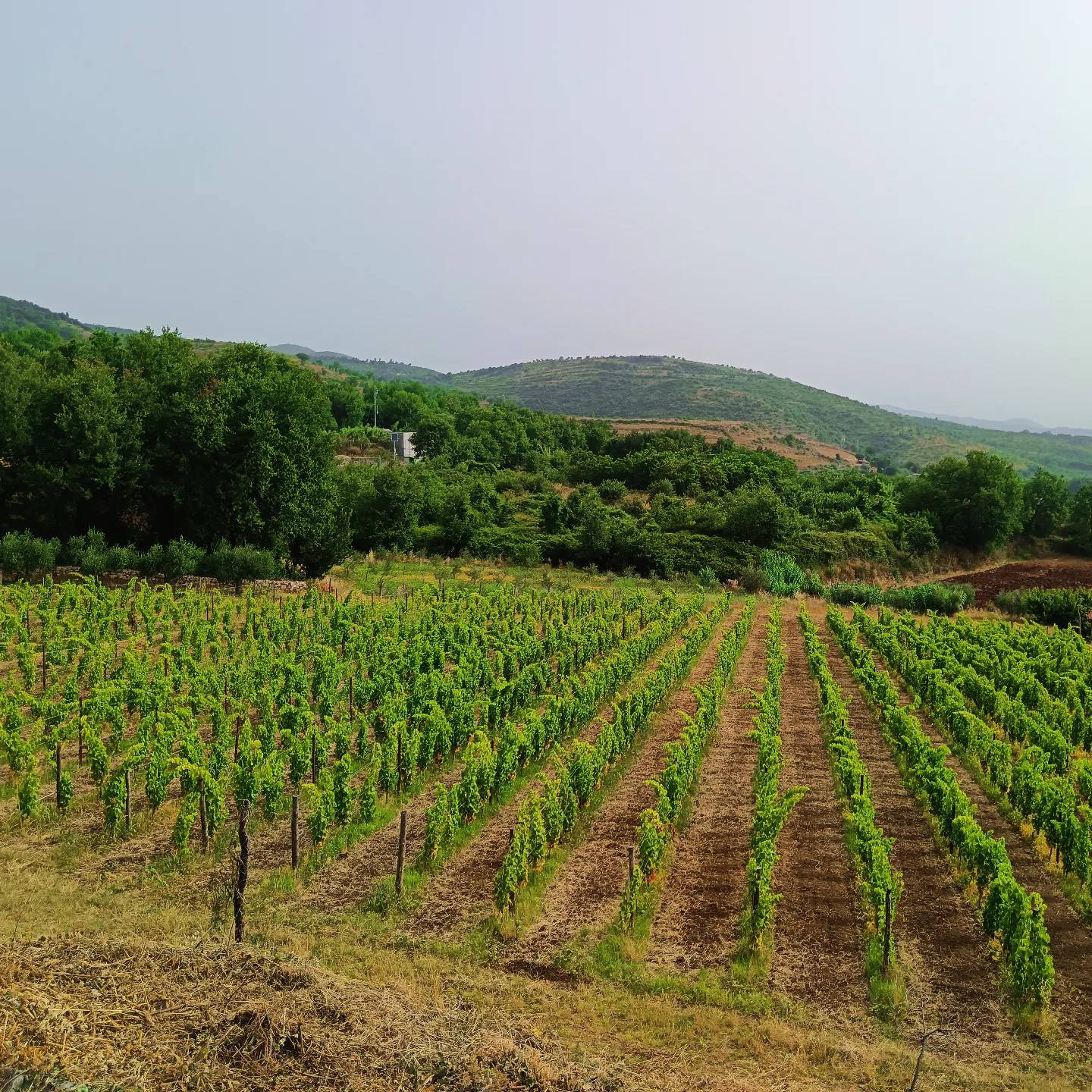
The wine you are tasting is the result of a unique combination of factors, including an ideal microclimate and nutrient-rich soil composed of igneous, limestone, and carbonate rocks. These elements contribute to this exceptional wine. The grape clusters are full, featuring round, pinkish-hued berries, which are harvested and vinified in early September while the sun is still intensely hot. The aroma blends the scents of Mediterranean scrub, and a sweet-but-bitter aftertaste reflects the robust, dry nature of the soil. All of these natural elements are further enriched and enhanced by the expert decisions made by the winemakers and the dedication of the local administration. Today, the Falerno produced in Falciano is recognized as an intangible heritage of the Campania Region and continues to be appreciated worldwide.





A Toast to History
Although modern Falerno differs from the wine known in Roman times, it remains an excellent companion for rich meals and traditional dishes. While the Romans often enjoyed it as an aperitif, today it is best appreciated alongside local cuisine.
This is the “Immortal Falernum”, a wine that allows you to imagine dining with Horace, Cicero, Virgil, or even the emperors of Rome.